That Was The Week That Was — 15th November 2026
Curiosity, then, is not merely the antidote to certainty or absolute truth, or to passion or conviction, but also the antidote to modesty, humility, self-doubt and knowing what you want; the antidote, that is to say, to any kind of knowingness.
- Adam Philips, London Review of Books
Do things you don't know how to do was one of the provocations I wrote in my 2019 Manifesto For Myself, and it's still something that guides me. It may seem counter—intuitive; surely you want to practice one thing and get really good at it? Yes, of course craft and the practice of that craft is important, but it's equally important in my view to be constantly learning new things, stepping out of your comfort zone and the comfort of the things you know to explore new themes, new tools, no processes. Without that, complacency can easily set in.
I've found routine can go hand-in-hand with complacency. Yet I do love the daily rituals of things like shaving, a morning cup of tea and the like. And whilst I couldn't function without those daily habits, I have to occasionally step back and introduce new habits or new detours in order to break the regularity.
So I started this week taking advantage of the beautiful day and walk into town to my local art gallery — not to look at the galleries in this instance — but go to the cafe and read the latest copy of the LRB, some of whcih have been starting to stack up unread over the last few weeks. It's also an opportunity to observe other people, to have chance conversations with others in the cafe. This article on curiosity might have gone unseen if I hadn't taken the time to step away from the screen and make time to do other things.
Walking back I felt revived, and made a commitment to do this on a regular basis — moving outside the myopia of screens to look up and take in the wider world.
Yet the work I do is ultimately made manifest through digital tools and processes, so I have to take that curious spirit and apply it within that arena, and the digital medium is probably one of the best mediums for exploring the unknown.
I'm currently working on several new works for various shows in this country and abroad, involving Houdini, Touch Designer, machine learning, code and sometimes generative AI tools. One of the areas I'm continuing to explore is creating LORAs of my own work, so I can then apply it on other works, or as part of the process to create iterations or interesting new avenues to venture down.
Whilst the Mac I use day-to-day is a good one, it's better for me to use a cloud GPU service and for that I'm using RunPod. This also has the advantage of not tieing up my Mac so I can get on with other stuff whilst the LORA is trained in the cloud.
The Process
- Prepare 26 of my own renders, each with a one-line caption and a made-up trigger word.
- Check what GPUs are in stock and rent one. My first two choices were gone in the seconds between checking and renting, so I took an A100 at $2.19 an hour.
- Upload the images and install the training software, which takes about ten minutes. The base model is gated, so it needs a Hugging Face token, and it's a 24GB download.
- Train. The tool saves a checkpoint and three test images every 250 steps, so you can watch it learn.
- Copy the checkpoints home, then delete the pod so it stops billing.
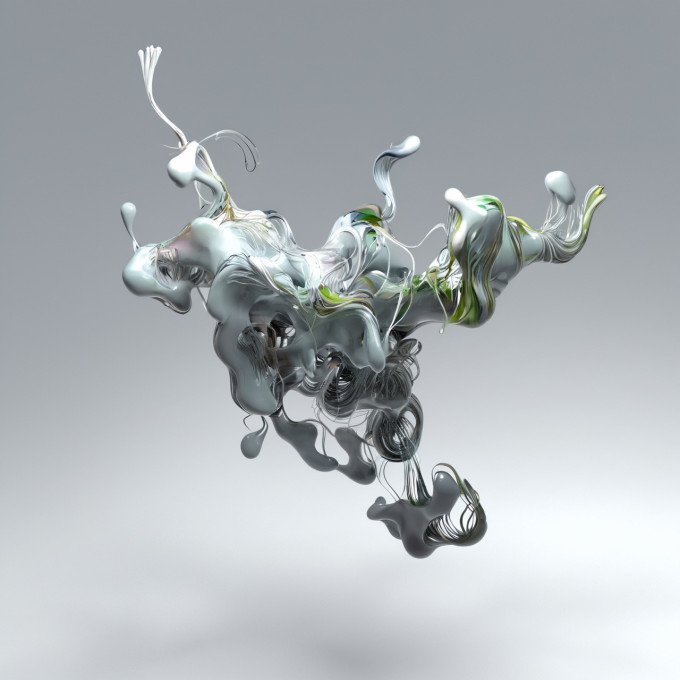
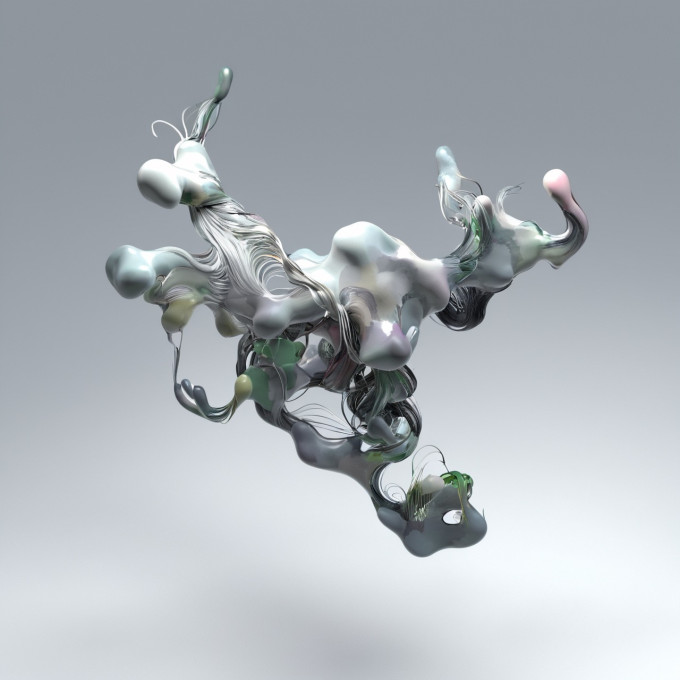
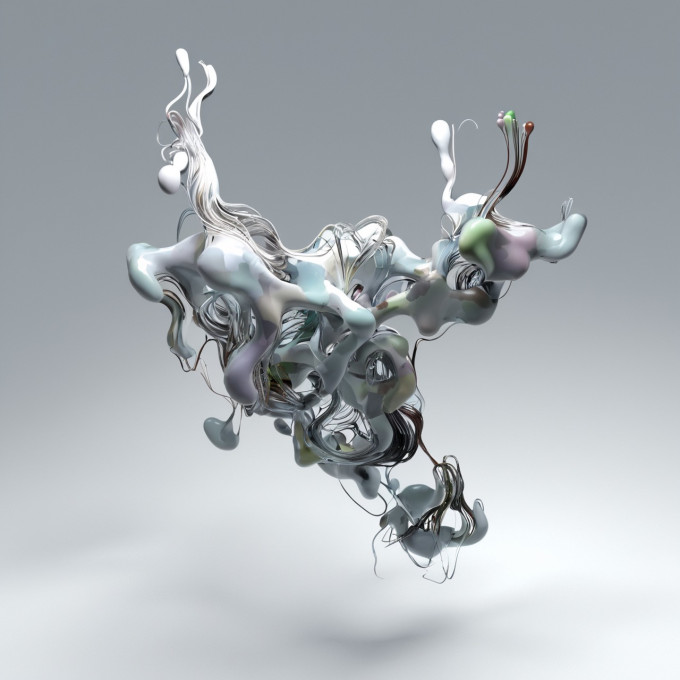
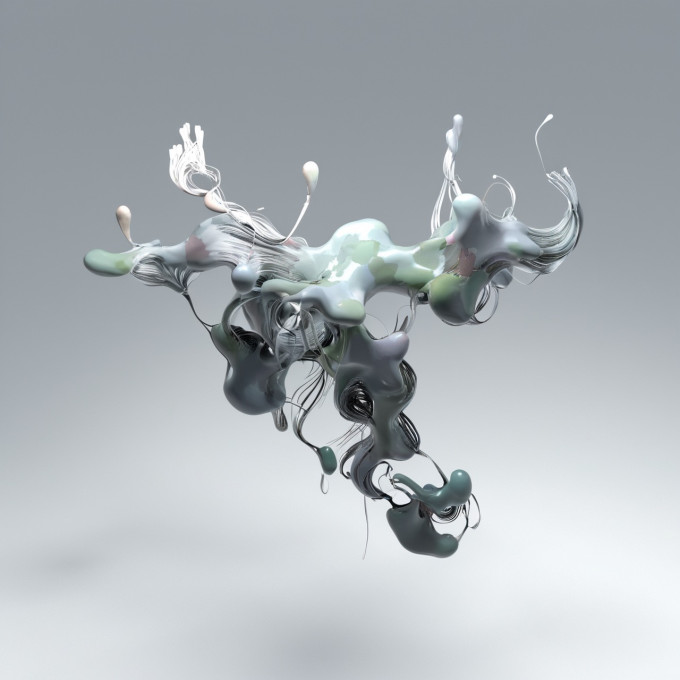
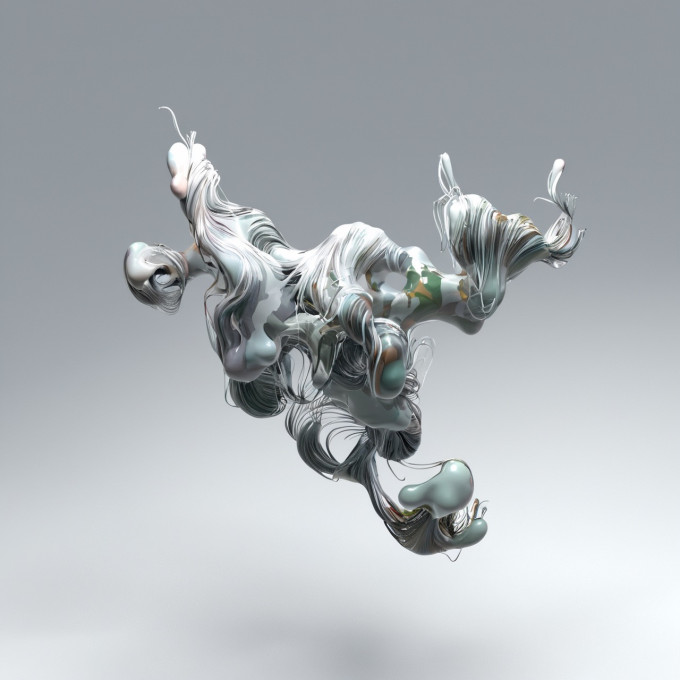
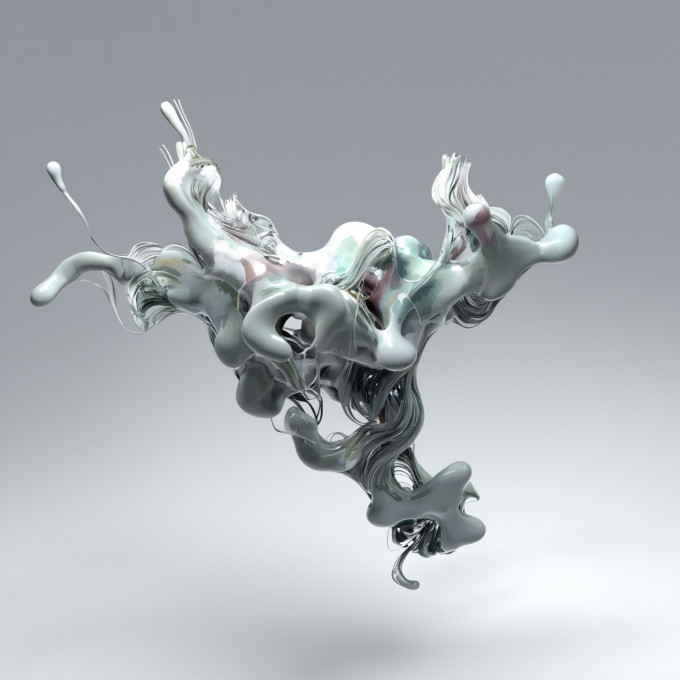
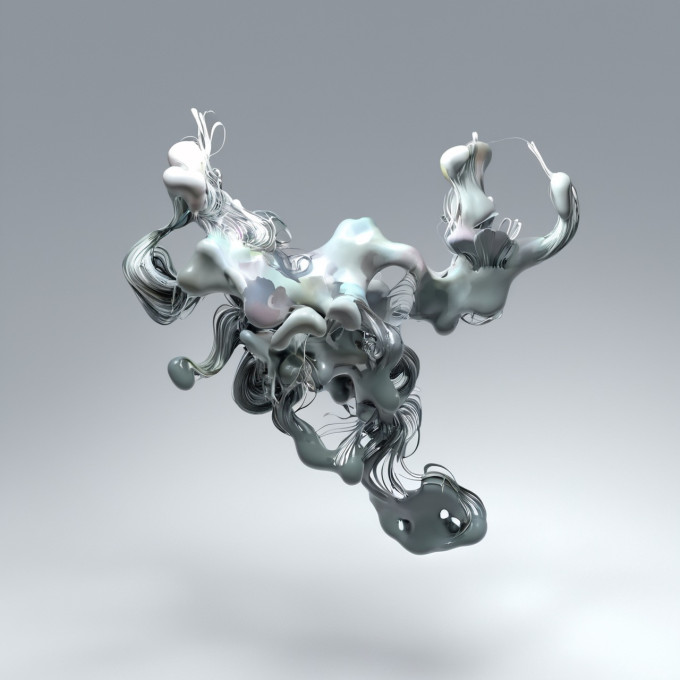
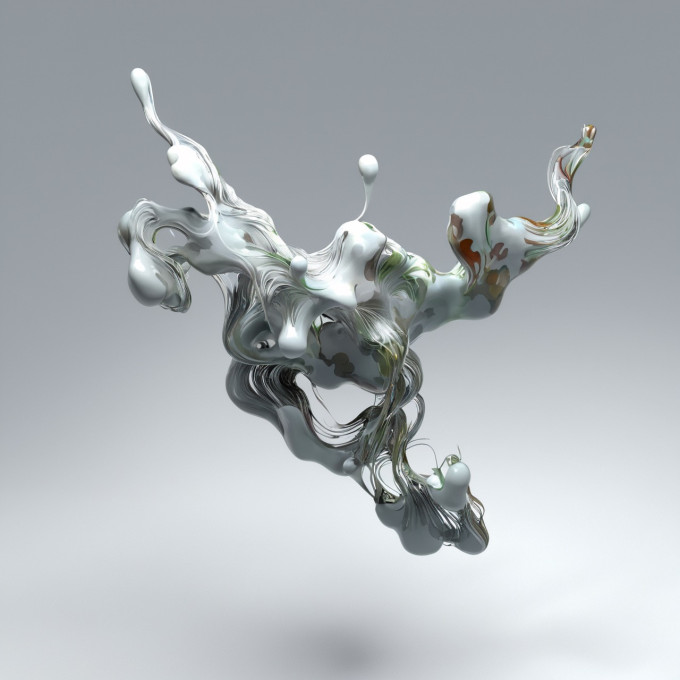
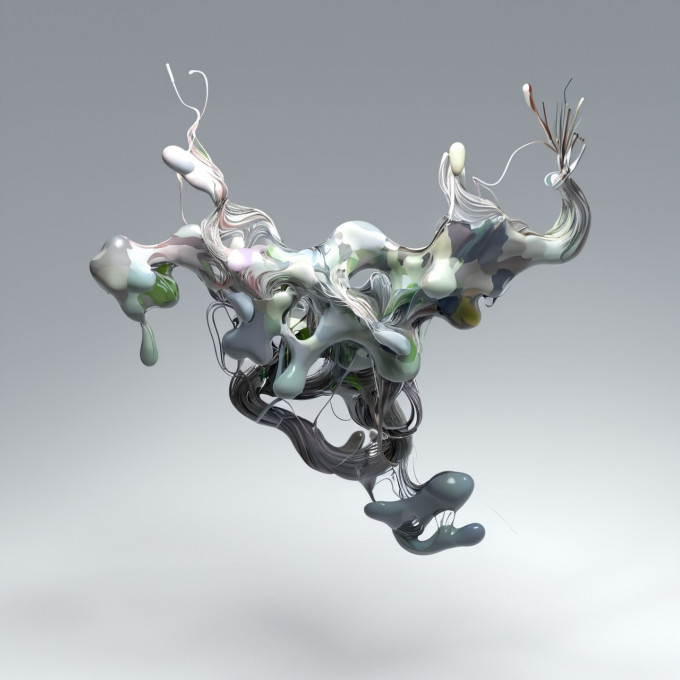
The images I used for the LORA were iterations of my Black Mamba's Revenge work. You can see below that LORA applied to a structure I had previously created in Houdini below: